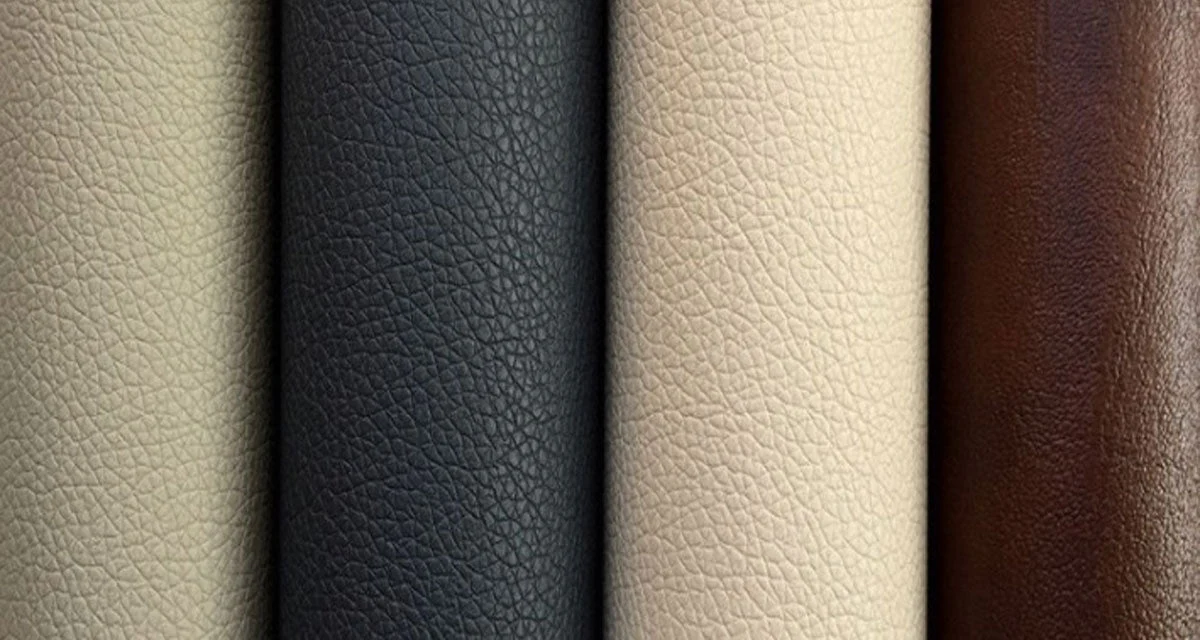
Discover Excellence
Discover The Grades & Textures
Leather types are primarily defined by the hide layer used, tanning method, and finishing. Explore our comprehensive range, from the most durable full-grain to specialized textures and synthetic alternatives.
The highest quality leather available. It uses the top layer of the hide with all natural markings intact. Because it isn't sanded or buffed, its fibers remain strong. It is extremely durable, develops a beautiful patina over time, and is ideal for premium bags, belts, and luxury footwear.
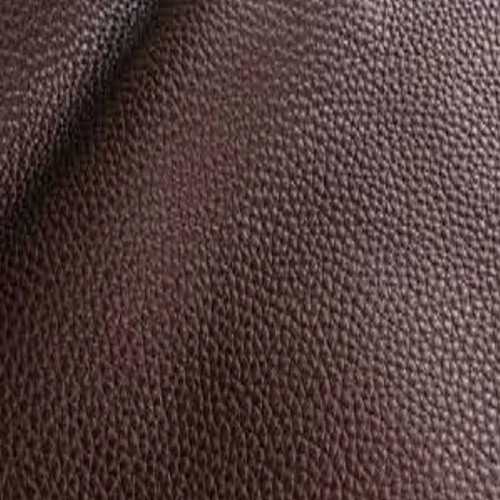
Similar to full grain, but the topmost layer is lightly sanded or buffed to remove imperfections. It is more flexible and has a highly uniform finish. While slightly less durable than full-grain, it provides a flawless, premium aesthetic commonly used in high-end fashion goods.
Created from the lower layers of the hide (the split leather). While technically "real" leather, it ranks below top and full grain in durability and aesthetic aging. It is often stamped or dyed to look premium and is widely used for affordable belts, wallets, and small goods.
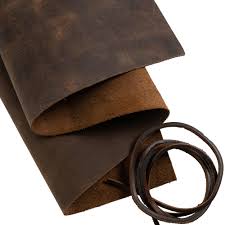
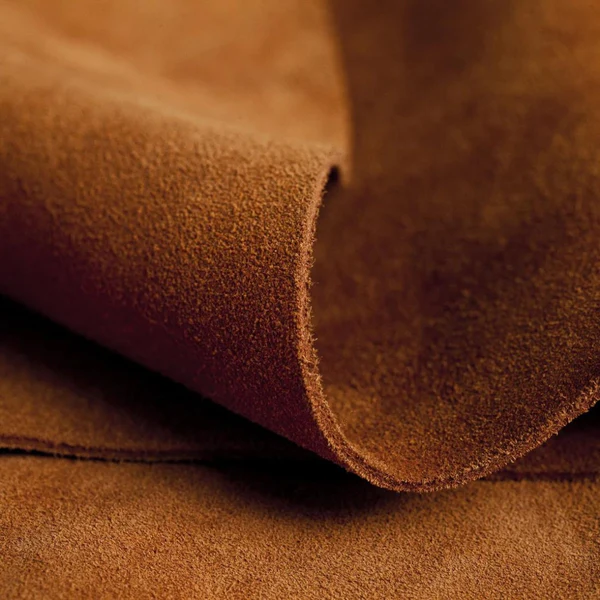
Made from the remaining lower layers of the hide after the top grain has been completely removed. It has a rougher texture and lacks the natural markings of the top layers. It is often further processed to create suede or utilized for lower-cost, highly durable utility items.
Composed of shredded leather scraps and fibers mixed with a polyurethane or latex binder. It is essentially the "particleboard" of leather. While it offers a low-cost alternative, it lacks the breathability and durability of genuine hide, often used in affordable furniture and upholstery.
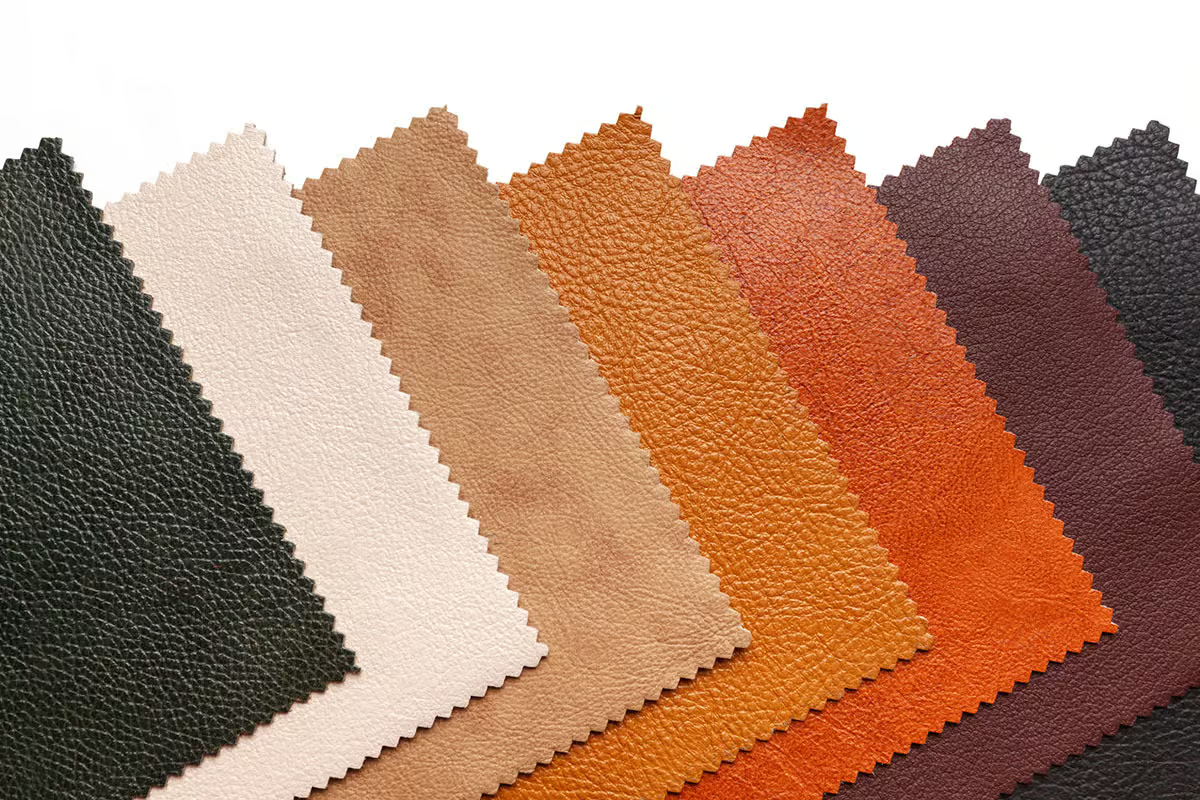
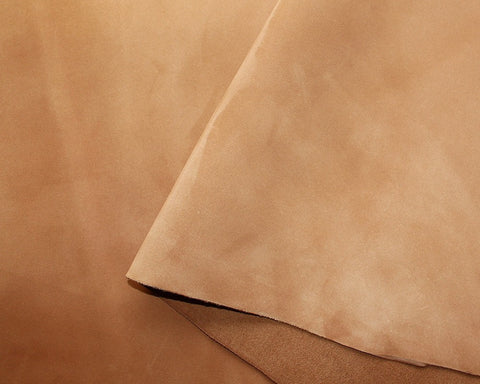
A highly premium top-grain leather that has been sanded or buffed on the outer surface (the grain side). This process creates a velvety, soft texture similar to suede, but because it comes from the tough exterior of the hide, it is significantly stronger and more durable. Commonly found in luxury boots and jackets.
Created exclusively from the underside (corium) of the animal hide, resulting in a distinctly soft, fuzzy, and napped surface. While incredibly luxurious and visually appealing, it is more porous and delicate than exterior layers, making it highly preferred for interior linings, garments, and refined accessories.
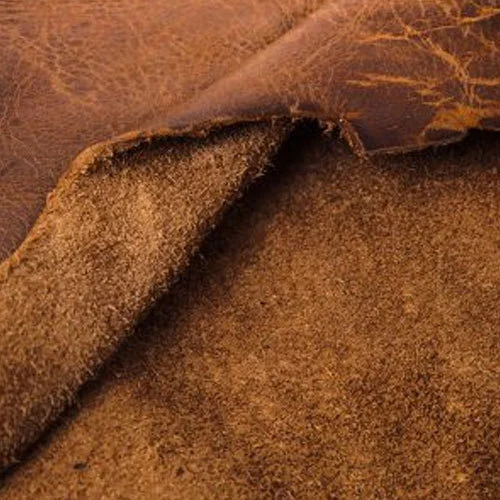
Recognized by its signature high-gloss, mirror-like finish. Originally, this involved applying multiple coats of linseed oil, but today it is achieved with an acrylic or polyurethane coating over fine-grain leather. It is water-resistant and heavily associated with high-end formal wear and luxury statement pieces.
A 100% synthetic alternative that involves zero animal hide. Made from polyurethane (PU) or polyvinyl chloride (PVC) applied to a fabric backing. It is designed to mimic the aesthetic of real leather, offering affordability, ease of maintenance, and water resistance, making it highly popular in vegan fashion lines.